July 21, 2026 · By Alexis
When it comes to increasing the longevity of your outboard motor, routine maintenance is a simple yet effective way to save yourself money and a headache in the long run. A boat is an investment and requires a certain level of care to keep it functional. Think of your outboard motor as the heart of your boat; without it, it’d be the equivalent of a floating raft with a fancy paint job.
Below are the maintenance practices we believe are the most important for your boat's “cardiovascular” health.
Before we dive into the nitty-gritty, it’s important to know the parts of your outboard motor and what they do. The bulk of your motor is the powerhead and the gearcase.
The powerhead is the engine block, containing cylinders, a crankshaft, and pistons. It’s responsible for turning your boat’s fuel source into mechanical power.
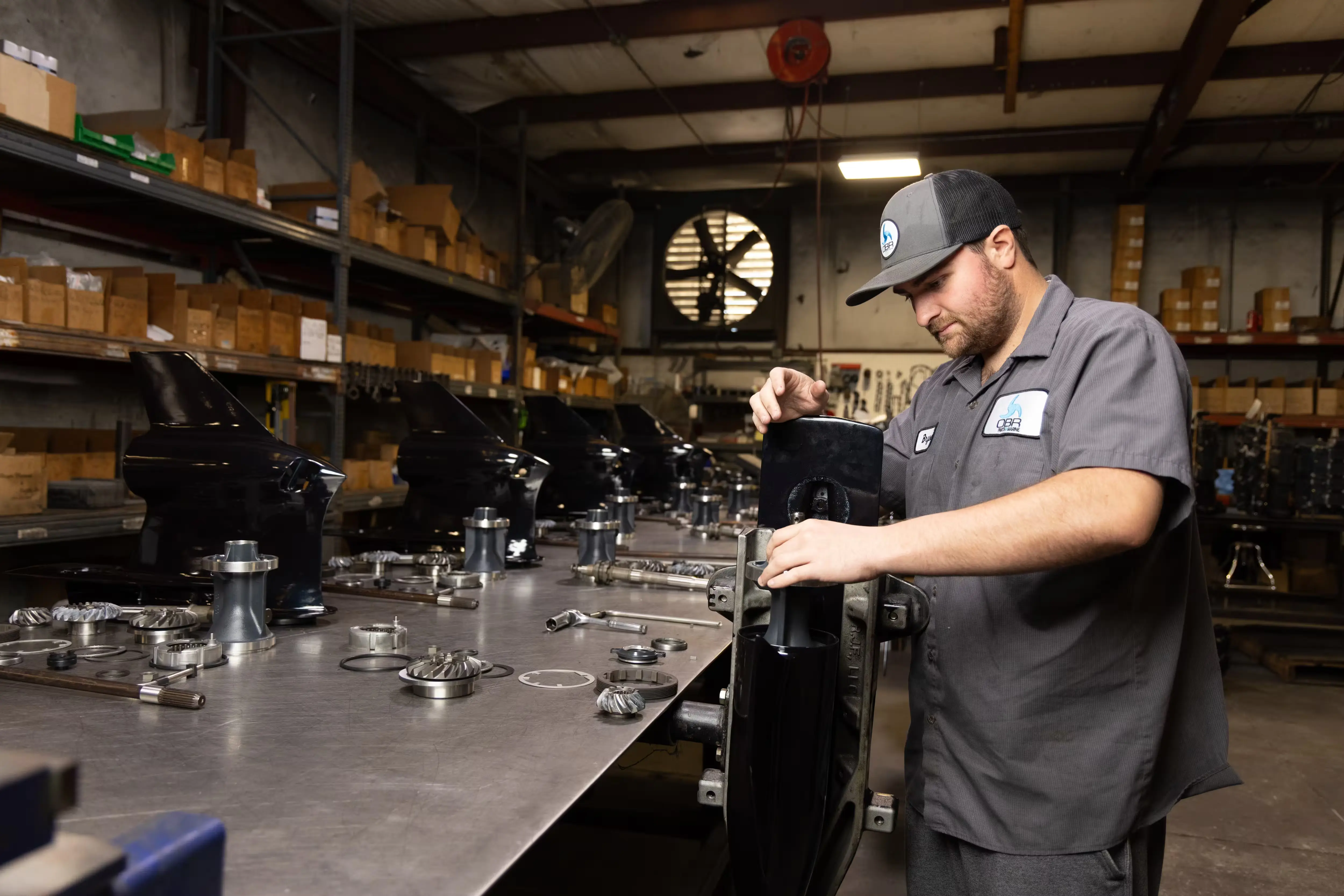
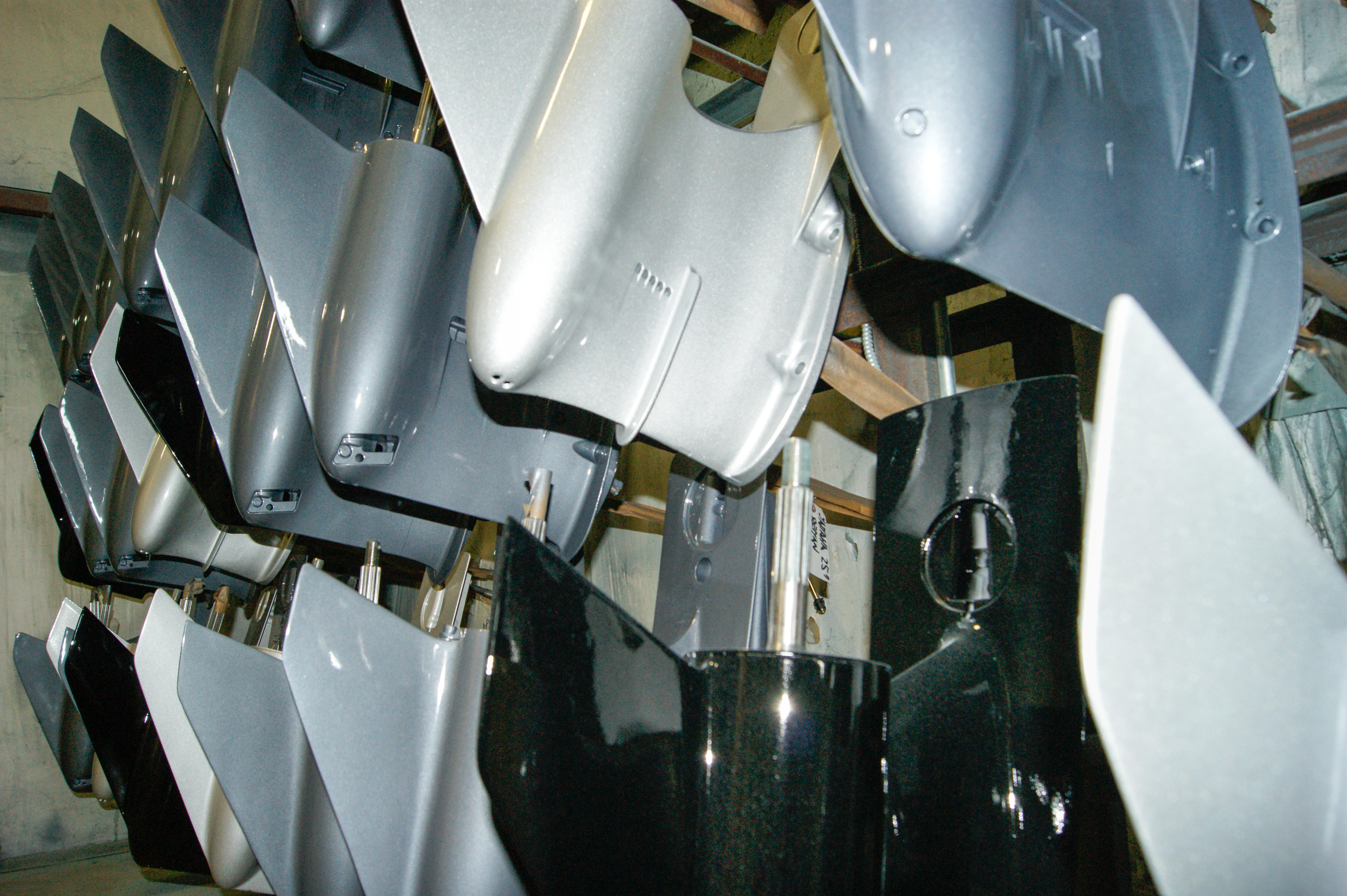
A gearcase, sometimes referred to as a “lower unit,” is responsible for transferring the power produced by the engine to the propeller. Essentially, it’s responsible for making your boat “go.” The gearcase also controls whether your boat is going forward, backward, or is idling in neutral.
Both of these components are essential to the functionality of your outboard motor, and prioritizing their health is vital.
Recommended Routine Maintenance for Gearcases
- Drain and refill fluid every 100 hours, and/or twice a year. Once before winter.
- Certain units require changes at a much shorter interval; check your manual for unit-specific information.
- When performing a refill, always use the manufacturer-specified oil to prevent compatibility problems.
- Clean the exterior of your lower unit after each trip to prevent corrosion.
- Especially after saltwater exposure.
- During operation, monitor for grinding, rattling, or knocking sounds.
- Grinding and rattling can indicate insufficient lubrication or gear wear.
- Knocking might indicate loose or damaged parts within the gearcase.
- Inspect seals and gaskets regularly.
- Keep an eye out for oil leaks, which usually indicate a larger problem.
- Routinely remove prop to inspect for caught fishing line, check thrust washer and grease prop shaft.
Recommended Routine Maintenance for Powerheads
- Change the oil and filter in your powerhead every 100 hours, once a year, or as recommended by the OEM manufacturer.
- Inspect spark plugs regularly; replace every 75-100 hours or as recommended by the manufacturer.
- Flush the engine with fresh water after every use to help prevent mineral and salt buildup.
- During operation, listen for knocking, thudding, light tapping, grinding, or whining.
- Knocking or thudding can indicate a failing bearing, typically gets louder as you increase RPMs; requires immediate attention.
- Light tapping can indicate problems in the valvetrain.
Though routine maintenance can prevent a lot of unnecessary problems, sometimes your outboard motor needs a doctor’s visit.
You should take your boat to a mechanic if you hear any of the sounds listed above, your motor fails to start, starts briefly then sputters and dies, your engine is overheating, you have difficulty steering, or you experience intense vibration while steering.
We understand that most of us prefer to fix things ourselves. But if you aren’t comfortable with your motor, attempting to fix serious problems yourself can lead to excessive cost in the long run.
Ultimately, the best way to guarantee smooth sailing year-round is to stay proactive when it comes to your outboard motor’s health and to reach out to your local repair shop when necessary.
Everything included in this article is general advice, so be sure to read your owner’s manual for specific recommendations, service schedules, and unit-specific information.